StillUndefeated Posted July 9 Posted July 9 Mostafa Toosi Akbar Khorasani Ahmad Vafadar Abolghasem Sakhdari Abas Hariri Abas Zandi Hosein Golzar .
StillUndefeated Posted July 9 Author Posted July 9 (edited) Some of these are photos of wrestlers from the 1800s and some are from the Shah's era. Edited July 9 by StillUndefeated .
StillUndefeated Posted July 9 Author Posted July 9 (edited) Seyyed Ali Haghshenas (Tehran). This photo is from about 120 years ago. He was also one of the greats. Edited July 9 by StillUndefeated .
StillUndefeated Posted July 9 Author Posted July 9 Seyyed Hassan Razzaz was one of Tehran's greatest traditional wrestlers and Pahlavans in the late Qajar era. .
Gantry Posted July 10 Posted July 10 Very cool! So what was the traditional wrestling style like back then?
StillUndefeated Posted July 10 Author Posted July 10 1 hour ago, Gantry said: Very cool! So what was the traditional wrestling style like back then? We call it Pahlevani wrestling (also spelled Pahlavani). The techniques are pretty similar to freestyle. In Pahlevani, touching your back to the mat meant defeat. They trained in special places called Zoorkhaneh, which were not just gyms but places built around the values of Pahlevani culture. The training had its own rituals, and a Morshed (a master) would recite poetry and remind the wrestlers of the values and ethics of a Pahlevan. The Zoorkhaneh itself was designed with these ideas in mind. For example, the entrance door was low so people had to bow their heads when entering, and the wrestling area was lower than the surrounding floor, symbolizing humility. 1 .
StillUndefeated Posted July 10 Author Posted July 10 (edited) Zoorkhaneh, 1954 1970 Edited July 10 by StillUndefeated .
Gene Mills Fan Posted July 10 Posted July 10 (edited) 12 minutes ago, StillUndefeated said: Zoorkhaneh, 1954 1970 I'm a? fan? Edited July 10 by Gene Mills Fan
pokemonster Posted July 10 Posted July 10 50 minutes ago, StillUndefeated said: Zoorkhaneh, 1954 1970 very cool! Was this related to their religion at the time and did it predate Islam in Iran (Persia)?
StillUndefeated Posted July 10 Author Posted July 10 (edited) 1 hour ago, pokemonster said: very cool! Was this related to their religion at the time and did it predate Islam in Iran (Persia)? Pahlevani was not a religious concept. It was more a code of honor and a way of life. In simple terms, a Pahlevan was someone who helped the weak, stood against oppressors, and protected ordinary people. They were trained not only physically but also morally, and because they helped ordinary people, they were highly respected by society. However, depending on their personal beliefs, they might also include religious themes. For example, in one of the videos above, the Miyan-dar (the senior trainer of the Zoorkhaneh) recites Islamic prayer . The Miyan-dar is a respected senior figure who has permission to speak at the end of the training session, recite poetry, and teach moral lessons. Not everyone has the authority to do this. But in the video below, the Morshed recites a very famous poem from the Shahnameh (the Persian epic book), which is not religious at all. It is a patriotic poem: (The poem is difficult to translate into English, but its overall meaning is something like: "How sad it would be if Iran became ruined.") Edited July 10 by StillUndefeated 1 .
StillUndefeated Posted July 10 Author Posted July 10 5 minutes ago, StillUndefeated said: The bells in front of the Morshed each have their own meaning. The upper bell, besides being used to emphasize important teachings, is only rung when the greatest wrestler of the Zoorkhaneh enters. Such a person is called the "bell-owner wrestler". A wrestler earns the title of "bell-owner" only after defeating the greatest wrestler of that Zoorkhaneh. From then on, whenever he enters, the Morshed rings that bell. 1 .
StillUndefeated Posted July 11 Author Posted July 11 Pahlevani wrestling goes back thousands of years to ancient Persia. However, the Zoorkhaneh, as an organized institution, is believed to have been established about 700 years ago by Pourya-ye Vali, who organized wrestlers into a formal system. He is widely considered the greatest wrestler in Iranian history. .
StillUndefeated Posted July 11 Author Posted July 11 Mil symbolizes the mace: Kabadeh symbolizes the bow Sang symbolizes the shield .
pokemonster Posted July 12 Posted July 12 All cool history, no wonder the Iranians are such great wrestlers til this day
Nevaeh Lavarias Pearl City High School, Hawaii Class of 2027 Committed to Kent State Projected Weight: 124
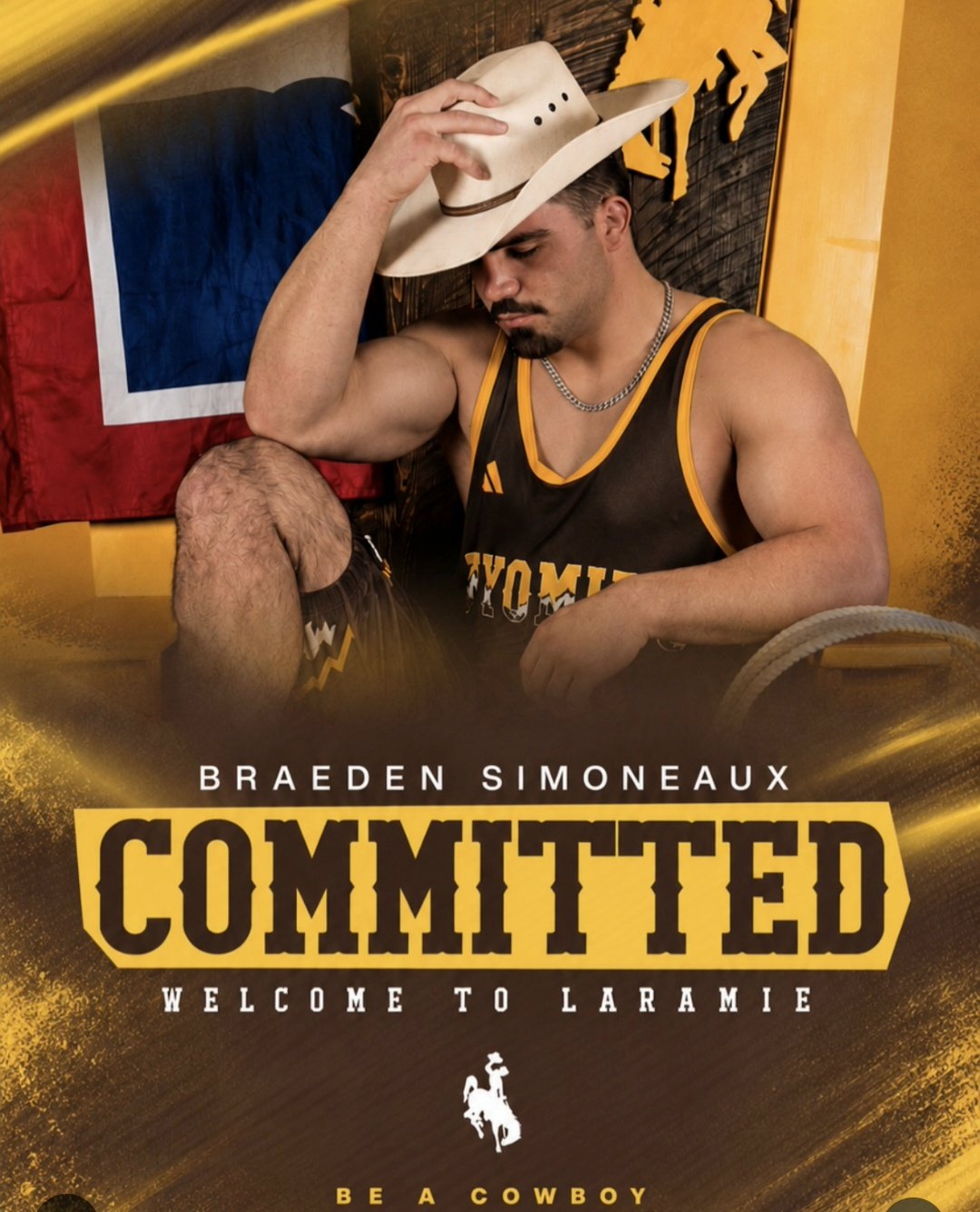
Braeden Simoneaux New York Military Academy, Louisiana Class of 2027 Committed to Wyoming Projected Weight: 184, 197






Recommended Posts
Create an account or sign in to comment
You need to be a member in order to leave a comment
Create an account
Sign up for a new account in our community. It's easy!
Register a new accountSign in
Already have an account? Sign in here.
Sign In Now